

The rising tide of tech is transforming the shape of life sciences, but a historic lack of digital maturity has sparked concerns about the speed of progress.
Supply chain management in the biopharmaceutical space is a prime example — industry growth is driving demand for increasingly complex logistical solutions, and digital agility could be the answer, for the 86% of biopharma leaders planning to invest in it.
Breakthroughs are still commonplace, and there’s been no shortage of exciting news recently. Here are some of the eye-catching developments made in the world of the life sciences recently.
Moderna and Merck & Co granted PRIME designation
Moderna and Merck & Co are taking on melanoma, the deadliest form of skin cancer — the European Medicines Agency (EMA) has granted the Priority Medicines designation to their personalised cancer vaccine, the mRNA-4157/V940, alongside Keytruda. The PRIME designation is given to medicines that focus on solving major unmet medical needs, enhancing the level of support given to drug developers, including an expedited time-to-market. It represents a new avenue of positive patient outcomes in an area that typically lacks therapeutic options.
Tubulis and Bristol Myers Squibb (BMS) join forces to develop ADCs
Tubulis are in the process of ushering in a new biopharmaceutical era through their unique approach to Antibody-Drug-Conjugate Design. By leveraging a vast collaborative network of industry specialists, Tubulis are poised to make an even bigger impression on the future of ADC drug development.
On April 20th, Tubulis joined forces with Bristol Myers Squibb, a titan of the biopharmaceutical industry and regular inhabitant of the Fortune 500 list, to form a strategic licence agreement.
The potential deal value is over $1 billion and involves an upfront payment of $22.75 million, as revealed on Tubulis’ website.
Breakthroughs in Biocomputing?
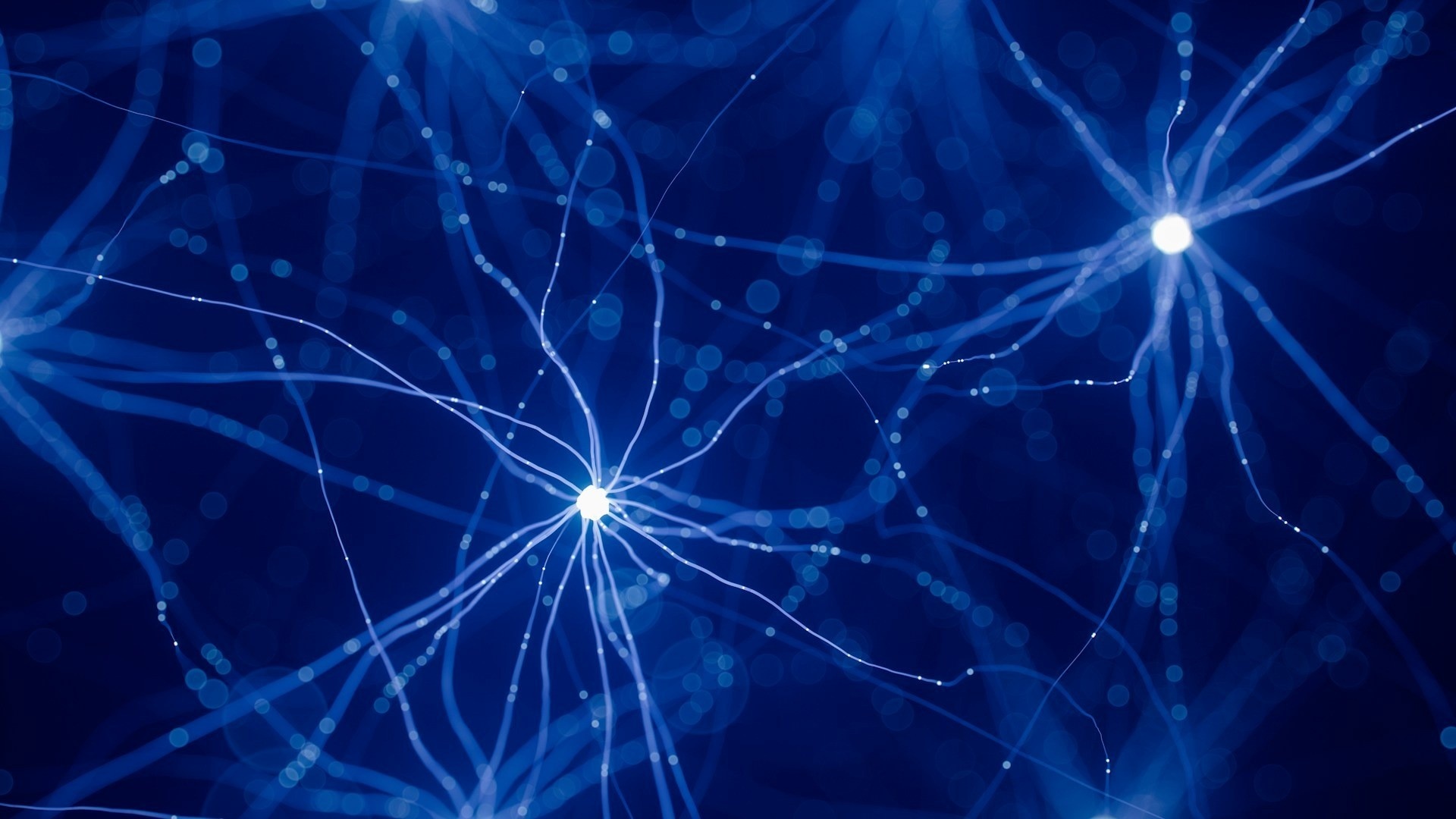
Biocomputing (the design and manufacturing of computers with biochemical integrants) witnessed a breakthrough recently in the form of ‘organoid intelligence,’ also known as, ‘intelligence in a dish.’
A team led by John Hopkins University Baltimore raised a proposal for a new biological computer powered by millions of human brain cells (The Financial Times), and with it, they’ve stumbled on some important ethical questions, mainly regarding the consciousness, and, consequentially, the handling of the brain cells.
While it may be many years in the future until we see anything like a biocomputer, organoids are very much in use now, primarily in biomedical research where they’re being used to detect drug toxicity, analyse organ development and help identify accurate methods of personalised drug treatment in patients.
Ethics in AI
Ethics in AI might be the most pressing topic of the era. Geoffrey Hinton (hailed as ‘the godfather of AI’) recently left his job at Google, carrying with him an unsettling warning for the future of the space: ‘No one will know what’s true anymore.’
The life sciences stand to benefit immensely from AI, provided that biased systems can be mitigated, and we’ve seen its positive effects already, from leading-edge disease detection systems to AI-enabled prosthetics.
Get in touch with our expert team to see how we can support your life sciences organisation, or help you secure your next STEM role.
Get in touch with the BioTalent team







NPS Score
70+ is considered world-class
76

Get in touch
Whether you're hiring or job hunting, we're here to make the process simple. Reach out and let's talk.
All Rights Reserved 2026 BioTalent
